Article
What Is Tennis IQ? Top Stars Weigh In
3 Min Read · March 10, 2026
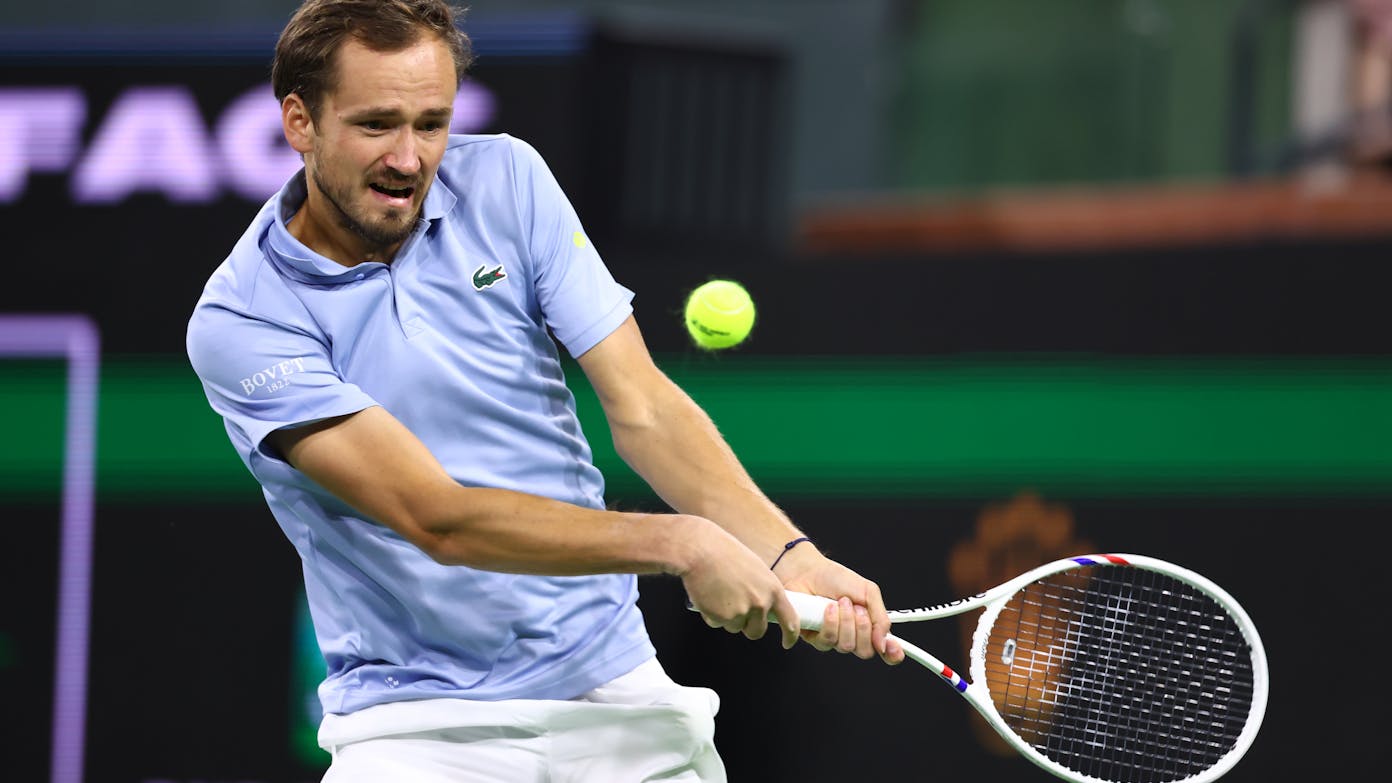
Tennis has often been described as a hybrid — the pugilism of boxing mixed with the tactical complexity of chess. Power matters, technique is essential, but when two players are equally matched, both blessed with all the trappings of an elite tennis player, how does one gain the edge over another?
That’s when tennis IQ comes in.
Or does it?
"I think ten years ago, tactics and tennis IQ was more important than it is now,” says No. 4 seed Alexander Zverev. The three-time major champion, 6’6” tall and in possession of a ballistic serve and explosive groundstrokes, doesn’t do the chess thing on the court. “I think it has lost a bit of value. I think whoever hits the ball the best wins the most matches.”
Guess it depends on who you ask.
Get Tickets
Download The Official Event Mobile App
Download the official BNP Paribas Open Mobile App to manage your tickets and follow your favorite players!
Daniil Medvedev, considered by many to be a tennis savant, grapples with the meaning of the ubiquitous term.
“I think it's very vague,” he said. “Because I feel like tennis IQ is very close to mental strength, but at the same time it's completely different things.”
The concept has several components, and it’s a personal term. Everybody has their own definition. But what are the components?
At its heart, it’s about competing, says Joel Drucker, well-known tennis journalist and executive editor of Tennisplayer.net.
“Most of all, I think it's understanding how to compete,” he said. “Seeing that winning is the desired outcome that you can't control, competing is a process you can always control. It’s how you compete, and how you engage, and how you study the opponent.”
We’ve all heard pundits gush about someone’s tennis IQ — players who can use the court as a canvas, directing their opponents through a series of traps before swooping in to make the kill.
But have we really ever fully comprehended the meaning of the term?
Gemini, by Google, has.
“Tennis IQ refers to a player's strategic intelligence and their ability to make the right decisions under pressure,” it said.
Is the bot correct?
No offense to artificial intelligence, but when you have 24-time major champion Novak Djokovic at your disposal, wouldn’t it be better to just query him?
“I think it's like a diligent, holistic, multi-disciplinary approach that really defines the IQ in the end,” he said. “You know, when you have a lot of shots in the arsenal on the court, then you feel more comfortable finding solutions.”
Now we’re talking.
Djokovic, who has clearly done a lot of thinking on this topic, continued.
“When you're facing a wall mentally, so to say, when you're not particularly happy with the execution of your plan A or plan B, you've got to have plan C, D, E, F, whatever. You have to adapt to every player, surface, conditions,” he said. “I mean, that's obviously much easier said than done, and it takes years of development — I'm talking at the highest level.”
Clearly the Serbian icon values the concept more than Zverev, but there’s hope for the German if he one day choose to embrace tennis IQ: it can be learned.
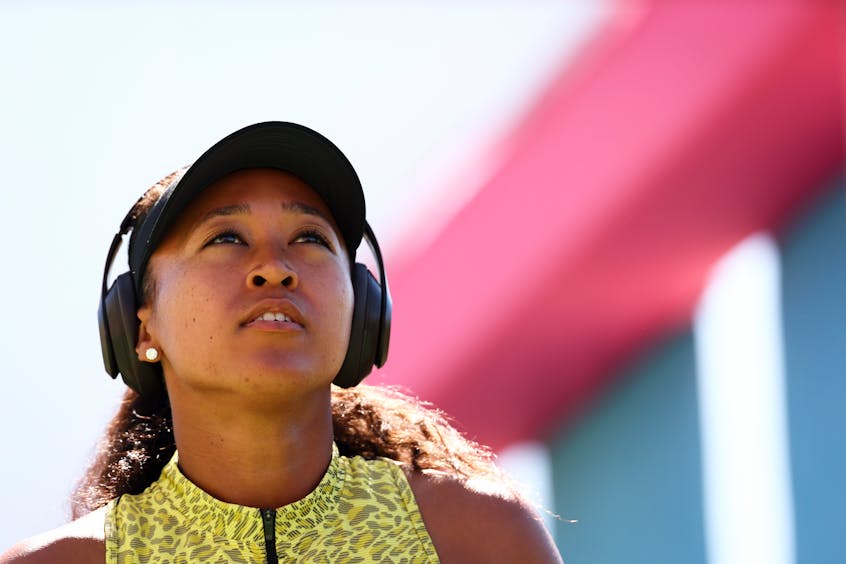
“I definitely don't think it's something you're born with,” four-time major champion Naomi Osaka says. “I think it's something you pick up over the years, whether it's something that comes naturally or not.
“I think for some people it comes naturally, and for others they have to really study.”
Australia’s Talia Gibson, one of the breakout stars in Tennis Paradise this year, agrees.
“Every match is an opportunity to increase your tennis IQ and get better,” she said. “It's something that over time, the more you play, even the more tennis you watch, I suppose, the better your tennis IQ is going to be.”
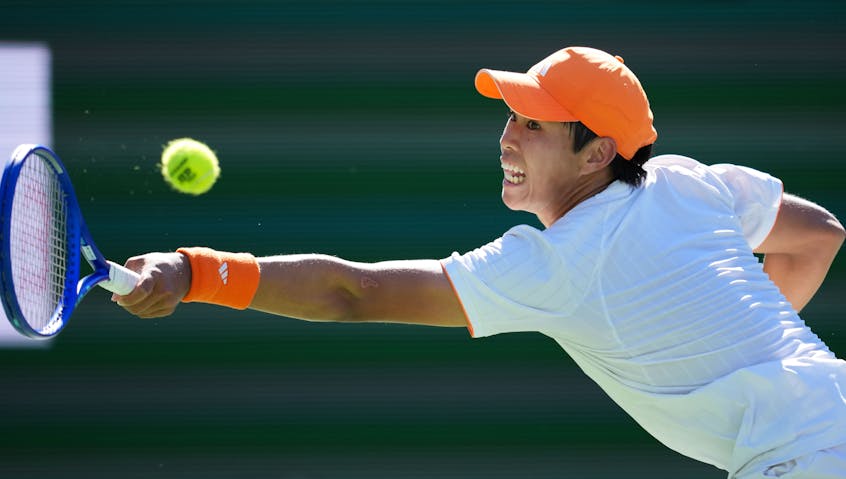
Twenty-year-old Learner Tien, an emerging American known for his clever brand of tennis, was singled out by Medvedev as a high-IQ player.
The Irvine, California native had this to say on the subject:
“If I had to define it, I would say it's a lot of problem-solving, a lot of adjusting: both of those things are huge parts of tennis.
“Both guys go out and prepare to play a match a certain way. They have a game plan. But from the first point, you're pretty much adapting to what the other guy throws at you. So I think I'd say tennis IQ is navigating that.”
Five-time champion Djokovic, as the most decorated tennis player of all time, gets the last word — in the form of a question.
“I value adaptability a lot,” he said. “I think it's very dependent on… how diligently you approach your everyday life. Does everything revolve around tennis? Do you nurture the mindset of trying to improve and get better, and not only rely on your strengths and kind of pray that your weaknesses are not exposed, but rather try and improve the game as you go along?”


